
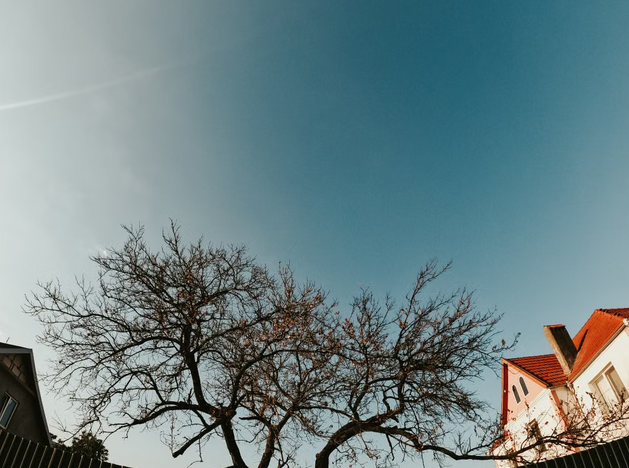
Trees can add shade, privacy, and natural beauty to a Shakopee property, but they can also create problems when they become unhealthy, damaged, or difficult to manage. A tree that looks fine from the ground may have hidden issues that could affect a roof, driveway, fence, or other part of the home. Knowing what to watch for can help homeowners address potential hazards before they become expensive problems.
Dead or Broken Branches
Dead branches are one of the most common concerns for homeowners. They can become weak over time and may fall during strong winds, heavy snow, or storms. Branches hanging over a roof, driveway, walkway, or outdoor living area deserve particular attention because a sudden fall could cause property damage or create a safety concern. Regular inspections can help identify branches that need to be trimmed before they become a bigger issue.
Trees Growing Too Close to the House

A tree growing close to a home may not seem like a problem when it is young, but its branches, trunk, and roots can eventually interfere with the property. Branches may rub against siding or roofing, while roots can spread underneath nearby landscaping and hard surfaces. Shakopee homeowners should pay attention to trees that have grown close to structures and consider professional advice when their size or location becomes difficult to manage. Working with local tree services can also help homeowners determine whether pruning or removal is appropriate for a particular situation.
Diseased or Declining Trees
Tree diseases can gradually weaken a tree and make it more vulnerable to broken branches or structural failure. Some trees may show obvious symptoms, such as discolored leaves, dead sections, unusual growths, or damaged bark. Other problems can be harder to notice without a closer inspection. Catching signs of decline early may give homeowners more options for protecting the tree and reducing the risk it poses to nearby property.
Weak or Leaning Trees
A noticeable lean can sometimes indicate a structural problem, particularly when the tree has recently changed position. Exposed roots, cracked soil, damaged trunks, and large cavities can also be warning signs. While not every leaning tree is immediately dangerous, changes in its position or surrounding soil should not be ignored. A professional assessment can help determine whether the tree can remain safely or requires attention.
Storm Damage

Shakopee homes and yards can experience significant changes after strong winds, heavy snow, or severe weather. A storm may split branches, damage the trunk, or leave a tree leaning in an unusual direction. Even when a tree does not fall completely, structural damage can make it unstable. Homeowners should be cautious around storm-damaged trees and avoid attempting to handle large branches or unstable trees without the appropriate equipment and experience.
Overgrown Branches Near Utility Lines
Branches that grow toward power lines can become a serious concern. Wind and ice can cause branches to move into lines, potentially resulting in damage or service interruptions. Homeowners should never attempt to cut branches that are touching or growing very close to electrical lines. Instead, the situation should be handled by appropriately qualified professionals who understand the safety requirements involved.
Tree Roots Affecting Property
Tree roots naturally spread through the soil in search of water and nutrients. In some situations, roots can push against sidewalks, patios, driveways, or other hard surfaces. They can also create challenges for landscaping around the home. Root problems are not always a reason to remove a tree, so it is important to understand the cause before taking action. Proper planning and professional guidance can help homeowners protect both their property and healthy trees.
Healthy trees can be a valuable part of any Shakopee home, but damaged, diseased, or poorly positioned trees can create unnecessary risks. Regularly checking for dead branches, leaning trunks, disease, storm damage, and root problems can help homeowners spot concerns early. When a tree presents a serious hazard or becomes difficult to manage, getting professional advice can help protect the property and keep the yard safe.