
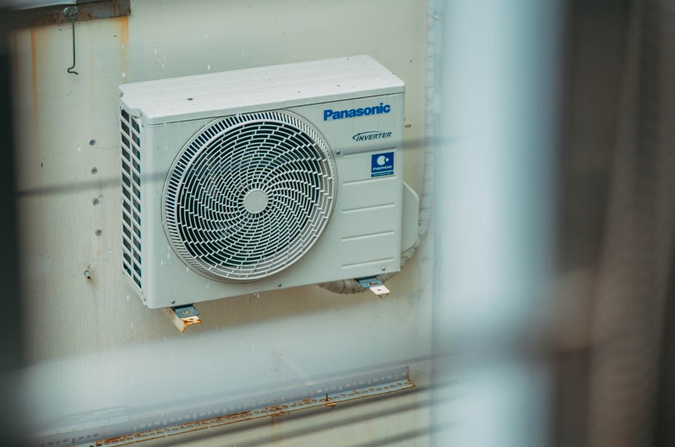
Heating and air conditioning systems operate throughout the year to regulate indoor temperatures and support proper air circulation. Furnace repair services play an important role in keeping residential heating systems safe, efficient, and reliable. Although some operating sounds are normal, unfamiliar noises can indicate that something is not working as expected. A sudden rattle, persistent buzzing, loud banging, or high-pitched squeal may point to a mechanical or electrical problem that deserves attention. Many homeowners become accustomed to the background noise produced by their HVAC equipment. However, changes in sound can provide useful clues about its condition. Identifying possible causes early can help prevent minor problems from developing into expensive repairs.
Normal HVAC Operating Sounds
Residential HVAC systems produce several sounds during normal operation. Air moving through vents, fans starting, and equipment cycling on or off can create a low level of background noise. These sounds are generally consistent and should not interfere with everyday household activities. Problems may arise when the equipment suddenly becomes louder or produces unfamiliar noises. A previously quiet air conditioner might begin vibrating, while a heating unit may develop a repeated clicking sound. Such changes can indicate loose components, airflow restrictions, or problems with internal mechanisms. The location and timing of a noise can also provide useful information. A sound coming from an indoor air handler may have a different cause from one produced by an outdoor condenser. Homeowners should observe when the noise occurs and whether it continues throughout the operating cycle.
Rattling and Banging Sounds

Rattling is one of the more noticeable sounds homeowners may hear from an HVAC system. It can occur when screws, access panels, fan guards, or other components become loose. As the equipment operates, vibration causes these parts to move against nearby surfaces. Sometimes, the problem comes from the ductwork. Metal ducts can expand and contract as temperatures change, producing popping or banging sounds. Loose duct connections may also vibrate when air moves through the system. Loud banging deserves closer attention, especially when it occurs repeatedly during startup or operation. Damaged fan blades, loose internal components, and other mechanical problems may be responsible. Homeowners should avoid reaching inside equipment to investigate. A qualified technician can inspect the affected parts and determine whether tightening, adjustment, or replacement is necessary.
Buzzing and Electrical Noises
A buzzing sound may indicate an electrical or mechanical issue. HVAC systems contain several electrical components, including contactors, relays, motors, and capacitors. When these parts become worn or malfunction, they may produce unusual sounds during operation. A damaged capacitor, for example, can affect how a motor starts or runs. Loose electrical connections may also create buzzing or humming noises. These conditions should not be treated as minor inconveniences because electrical problems can affect equipment performance and safety. Homeowners should pay attention when buzzing becomes louder, continues after the system stops, or occurs alongside a burning smell. Turn off the equipment when safe and contact a qualified professional. Electrical components should never be opened or repaired without appropriate training.
Squealing and Grinding Sounds

High-pitched squealing often points to friction between moving components. In some systems, worn fan belts can produce this sound as they slip or lose tension. Motor bearings may also create squealing when lubrication deteriorates, or internal parts begin wearing down. Grinding sounds are particularly concerning because they can indicate metal components rubbing against one another. A damaged blower motor, failing bearings, or an obstructed fan assembly may be responsible. Continuing to operate equipment with these problems can lead to additional damage. The appropriate repair depends on the source of the noise. A technician may need to replace a belt, inspect motor bearings, remove an obstruction, or install a new component. Addressing these issues promptly can help restore quieter operation and prevent further mechanical wear.
Strange Noises Because of Ductwork Problems
Not every unusual HVAC noise originates inside the main equipment. Airflow restrictions and ductwork conditions can also create sounds that travel throughout the house. Whistling, hissing, and excessive rushing noises may indicate that air is passing through narrow openings or escaping from damaged connections. Dirty filters can restrict airflow and make the system work harder. Blocked vents, improperly sized ducts, and leaking connections may contribute to similar problems. In some cases, pressure changes inside the ductwork produce popping or vibrating sounds. Homeowners can begin with simple checks, such as replacing a clogged filter and removing objects blocking supply and return vents. If the noise continues, professional inspection can help identify hidden duct leaks, loose connections, or airflow imbalances.
Unusual noises should be considered warning signs rather than sounds that homeowners must simply tolerate. While some minor issues may involve loose external panels, other problems require specialized tools and technical knowledge. Professional inspections help identify the exact cause instead of relying on guesswork. During an inspection, a technician can examine motors, fans, electrical connections, ductwork, and other important components. The technician can also determine whether the sound indicates normal operation, developing wear, or an immediate repair concern. Regular maintenance can reduce the likelihood of certain noise-related problems. Replacing filters, keeping outdoor equipment clear of debris, and arranging recommended inspections all support reliable operation. Homeowners should also keep track of recurring sounds and note when they happen.…