Beyond the Surface: The Importance of Pest Inspections in Homebuying post thumbnail image

Buying a new home is an exciting and monumental decision that requires careful consideration of various factors. While the aesthetics, location, and size are often top priorities for potential buyers, it is crucial not to overlook one of the most critical aspects of homeownership: pest inspections. Building and pest inspection brisbane play a crucial part beyond just ensuring a comfortable living environment. They help in protecting your investment and the health and safety of your family. In this article, we delve into the significance of pest inspections in the process of homebuying.

Protecting Your Investment

Undertaking a thorough pest inspection before purchasing a property can save you from costly repairs and potential financial pitfalls. Many pests, such as termites, can do substantial damage to a home’s structural integrity, necessitating costly repairs or replacement. Discovering such flaws before concluding the contract allows you to renegotiate the purchase cost or request that the seller rectify the problem, so protecting your investment.

cleaning

Identifying Health Hazards

Pests can also pose serious health threats to you and your loved ones. Some pests carry diseases, while others release harmful allergens, leading to respiratory problems and allergies. A professional pest inspection can identify hidden infestations, ensuring that your future home is a safe and healthy environment for everyone.

Uncovering Hidden Issues

While a house may appear immaculate on the surface, there could be underlying pest problems that are not immediately apparent. Professional pest inspectors have the knowledge and tools to detect the presence of pests even in hard-to-reach areas. These experts can identify signs of infestation, such as droppings, gnaw marks, or evidence of nesting, pinpointing the source and extent of the problem.

Negotiating Power

Having a pest inspection report in hand provides you with valuable leverage during the negotiation process. If a significant pest issue is uncovered, you can request the seller to either address the problem or reduce the asking price accordingly. This ability to negotiate based on a professional assessment empowers you as a buyer and ensures that you are not burdened with unexpected expenses after moving in.


Peace of Mind

Finally, investing in a thorough pest inspection brings peace of mind, allowing you to move into your new home without worrying about potential infestations or structural damages. Knowing that your future property is free from pests provides a strong foundation for creating a comfortable, safe, and healthy living space for you and your family.

Conclusion

Pest inspections should be an integral part of the home-buying process, going beyond the surface features to ensure that your investment is secure and your family’s well-being protected. By identifying potential issues before finalizing the purchase, you can avoid costly repairs, negotiate with confidence, and establish a peaceful living environment. Whether it’s termites, rodents, or any other pests, addressing these concerns early on will save you time, money, and stress in the long run.
Related Post

fire tragedy

Life After the Flames: Practical Steps to Take After a House FireLife After the Flames: Practical Steps to Take After a House Fire

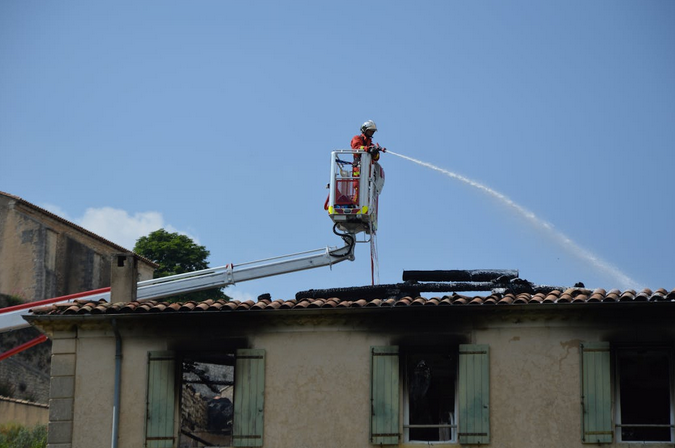
A fire can turn a home upside down in minutes. Beyond the shock, homeowners are left with tough choices about what comes next. What to do, then? Sell fire damaged property as-is if you want to move forward without dragging out the pain. But what exact steps do homeowners need to take after a house fire? How can they get things under control? Here’s the answer.

Prioritize Safety Before Anything Else

burned house

After a fire, safety is the number one priority. Even if the flames are out, hidden dangers remain, unstable walls, exposed wires, and lingering smoke. Don’t rush back in without clearance from professionals. Once officials confirm the property is safe to enter, take necessary precautions. Protective masks, gloves, and sturdy footwear aren’t optional, but they’re essential. Fire leaves behind toxins and debris that can affect your health long after the blaze. Getting family members out of harm’s way is the most important step. Belongings can be replaced, but your health cannot.

Contact Insurance Immediately

Insurance plays a major role after a fire. Calling your provider quickly gets the claims process started. The sooner they’re involved, the smoother the steps ahead will be. Document everything with photos and notes. The more evidence you gather, the easier it is to back up your claim. Keep records organized, because insurance companies love details. Adjusters will want a full picture of the damage, so having this documentation ready speeds things up. It also prevents disputes later about what was covered.

Gather Essential Documents and Records

documents

Certain paperwork will be requested during the recovery and selling process. Insurance reports, fire department records, and any repair estimates all matter. Think of them as puzzle pieces; buyers and insurers need to see the full image. Even if you plan to sell as-is, having these documents ready builds trust with potential buyers. It shows you’re serious and not trying to hide anything. Serious investors appreciate clarity because it helps them calculate risks faster. Don’t leave this step for later. Missing documents can stall progress and delay decisions when you least need more stress.

Evaluate Repair Costs Versus Selling As-Is

Some homeowners attempt to rebuild. Others realize the cost, time, and energy outweigh the benefits. Repairs after a fire can stretch into months and drain savings quickly. Selling as-is removes that burden. Instead of playing general contractor and juggling deadlines, you hand the challenge over to investors who expect the damage. That option brings relief and speed. It may not deliver the top price, but many families find peace of mind worth more than squeezing every last dollar. Time saved can often feel like money earned.

Focus on Emotional Recovery Too

crying family

The hardest part of a fire isn’t the charred beams, but the memories tied to them. Photos, birthdays, first days of school. It’s normal to feel grief alongside frustration. Give yourself room to process. Seek support from family, friends, or even professionals if the weight feels too heavy.

Emotional recovery runs parallel with the practical steps of insurance and selling. Moving forward doesn’t erase the past. It gives you space to build new chapters without being stuck in the ashes of the old ones. Life after a house fire requires both practical action and emotional strength.

kitchen

Best Eco-Friendly Options for Sustainable Cabinet Door Materials and FinishesBest Eco-Friendly Options for Sustainable Cabinet Door Materials and Finishes

Are you thinking of getting a new cabinet door for your kitchen or bathroom? If so, you may want to consider eco-friendly and sustainable options for both the material and finish of your cabinet doors. Choosing to use sustainable materials and finishes not only saves the environment but also promotes healthier living and supports ethical production practices.

It’s not just about following what those celebs on Instagram are doing; it’s about making a positive impact on the world. So, if you’re up for a better planet, start small and explore the best eco-friendly options for sustainable cabinet door materials and finishes here.

Bamboo

Bamboo

Bamboo is a popular choice for eco-friendly cabinet doors due to its sustainability and rapid growth. This versatile material is not only aesthetically pleasing but also durable, making it perfect for long-lasting cabinets. Bamboo’s natural resistance to moisture and insects makes it ideal for kitchen and bathroom cabinets.

Furthermore, bamboo has a beautiful grain pattern that adds a touch of elegance to any space. Its light weight also makes it easy to work with during the manufacturing process. Additionally, bamboo is biodegradable, ensuring minimal environmental impact at the end of its lifespan.

Reclaimed Wood

Reclaimed wood is another fantastic option for sustainable cabinet door materials. It adds character and history to your space, as each piece has its own unique story to tell. By using reclaimed wood, you are not only reducing the demand for virgin timber but also preventing old wood from ending up in landfills.

This eco-friendly choice helps to preserve forests and reduces carbon emissions associated with logging and manufacturing new wood products. The weathered appearance right after you use a spray gun also adds warmth and charm while promoting environmental responsibility.

FSC-Certified Wood

FSC-Certified Wood

If you’re looking for an eco-friendly option for your cabinet doors, FSC-certified wood is a must-choice. This certification basically guarantees that the wood comes from responsibly managed forests, promoting sustainability and conservation of natural resources.

FSC-certified wood is sourced ethically, taking into account environmental, social, and economic factors. By choosing this material for your cabinets, you are supporting sustainable forestry practices and contributing to the protection of our planet’s forests.

Water-Based Finishes

Now, let’s talk about the finishes. Among many, the most sustainable choice is the water-based type. These eco-friendly finishes are becoming increasingly popular due to their minimal impact on the environment compared to traditional solvent-based options. Water-based finishes contain lower levels of volatile organic compounds (VOCs). It means that these are safer for both your health and the planet. Additionally, they dry faster, have less odor, and are super effortless to clean up with just mild soap and warm water.

Whether you prefer a modern or rustic look for your cabinets, these materials offer versatility in design options. From sleek contemporary styles to warm traditional finishes, you can get all of them so you can finally make your cabinet doors complement your beautiful kitchen or bathroom design effortlessly.

tree

Common Tree Problems That Can Put Shakopee Homes at RiskCommon Tree Problems That Can Put Shakopee Homes at Risk

Trees can add shade, privacy, and natural beauty to a Shakopee property, but they can also create problems when they become unhealthy, damaged, or difficult to manage. A tree that looks fine from the ground may have hidden issues that could affect a roof, driveway, fence, or other part of the home. Knowing what to watch for can help homeowners address potential hazards before they become expensive problems.

Dead or Broken Branches

Dead branches are one of the most common concerns for homeowners. They can become weak over time and may fall during strong winds, heavy snow, or storms. Branches hanging over a roof, driveway, walkway, or outdoor living area deserve particular attention because a sudden fall could cause property damage or create a safety concern. Regular inspections can help identify branches that need to be trimmed before they become a bigger issue.

Trees Growing Too Close to the House

Trees Growing Too Close to the House

A tree growing close to a home may not seem like a problem when it is young, but its branches, trunk, and roots can eventually interfere with the property. Branches may rub against siding or roofing, while roots can spread underneath nearby landscaping and hard surfaces. Shakopee homeowners should pay attention to trees that have grown close to structures and consider professional advice when their size or location becomes difficult to manage. Working with local tree services can also help homeowners determine whether pruning or removal is appropriate for a particular situation.

Diseased or Declining Trees

Tree diseases can gradually weaken a tree and make it more vulnerable to broken branches or structural failure. Some trees may show obvious symptoms, such as discolored leaves, dead sections, unusual growths, or damaged bark. Other problems can be harder to notice without a closer inspection. Catching signs of decline early may give homeowners more options for protecting the tree and reducing the risk it poses to nearby property.

Weak or Leaning Trees

A noticeable lean can sometimes indicate a structural problem, particularly when the tree has recently changed position. Exposed roots, cracked soil, damaged trunks, and large cavities can also be warning signs. While not every leaning tree is immediately dangerous, changes in its position or surrounding soil should not be ignored. A professional assessment can help determine whether the tree can remain safely or requires attention.

Storm Damage

Storm Damage

Shakopee homes and yards can experience significant changes after strong winds, heavy snow, or severe weather. A storm may split branches, damage the trunk, or leave a tree leaning in an unusual direction. Even when a tree does not fall completely, structural damage can make it unstable. Homeowners should be cautious around storm-damaged trees and avoid attempting to handle large branches or unstable trees without the appropriate equipment and experience.

Overgrown Branches Near Utility Lines

Branches that grow toward power lines can become a serious concern. Wind and ice can cause branches to move into lines, potentially resulting in damage or service interruptions. Homeowners should never attempt to cut branches that are touching or growing very close to electrical lines. Instead, the situation should be handled by appropriately qualified professionals who understand the safety requirements involved.

Tree Roots Affecting Property

Tree roots naturally spread through the soil in search of water and nutrients. In some situations, roots can push against sidewalks, patios, driveways, or other hard surfaces. They can also create challenges for landscaping around the home. Root problems are not always a reason to remove a tree, so it is important to understand the cause before taking action. Proper planning and professional guidance can help homeowners protect both their property and healthy trees.

Healthy trees can be a valuable part of any Shakopee home, but damaged, diseased, or poorly positioned trees can create unnecessary risks. Regularly checking for dead branches, leaning trunks, disease, storm damage, and root problems can help homeowners spot concerns early. When a tree presents a serious hazard or becomes difficult to manage, getting professional advice can help protect the property and keep the yard safe.