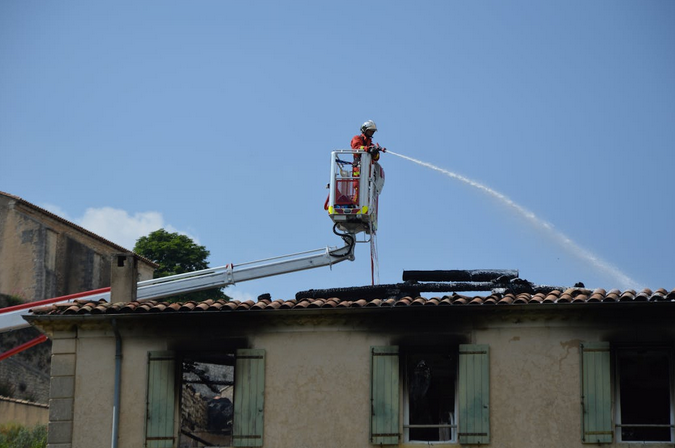
How to Avoid Conflicts When Selling a Fire-Damaged House post thumbnail image

Selling a fire-damaged house can be a daunting task filled with potential conflicts and challenges. As a homeowner, you want to ensure that the process goes as smoothly as possible, avoiding any unnecessary disputes along the way. But fear not! In this blog post, we will guide you through some essential steps to help you avoid conflicts when selling your fire-damaged property.

From conducting thorough assessments and setting fair prices to preparing crucial documentation and conducting inspections – we’ve got you covered. Many homeowners ask, should I sell my house after the incident? Yes, you should sell your house after a fire. One of the reasons is that fire-damaged properties tend to have a lower market value, making it difficult for homeowners to get a fair price. So, let’s delve into these expert tips and get ready to navigate the path of selling your fire-damaged house with ease.

Start With a Thorough Assessment

Start With a Thorough Assessment

Before you embark on the journey of selling your fire-damaged house, it’s crucial to begin with a thorough assessment. This step is essential as it helps you have a clear understanding of the extent of the damage and what repairs or renovations may be required.

Start by hiring a professional inspector who specializes in fire damage assessments. They will meticulously examine every nook and cranny of your property, identifying any structural issues, electrical problems, or safety hazards that need attention. During this assessment, take note of all the damages and create an itemized list. This will not only help you accurately communicate the condition of your property to potential buyers but also provide a solid foundation for negotiating prices later on.

Set a Fair Asking Price

Determining the asking price for a fire-damaged house can be challenging, as there are several factors to consider. It’s important to set a fair price that reflects the condition of the property while also taking into account its potential value. One way to determine a fair asking price is by conducting thorough market research.

Look at comparable properties in the area that have recently sold or are currently on the market. Take note of their conditions and prices to get an idea of where your property stands. Consider hiring a professional appraiser who specializes in fire-damaged properties. They will evaluate your house based on its current state and provide an unbiased assessment of its value.

Prepare Documentation

Prepare Documentation

When selling a fire-damaged house, it is crucial to have all the necessary documentation in order. This will help you avoid conflicts and ensure a smooth transaction process. Start by gathering important documents such as insurance policies, repair receipts, and any permits obtained for renovation work. Insurance policies are essential because they provide proof of coverage for the fire damage.

This documentation will assure potential buyers that the property has been adequately insured and that any repairs or losses resulting from the incident have been compensated. Repair receipts serve as evidence of the work done to restore the property after the fire. These documents not only demonstrate diligent efforts made to address damages but also show potential buyers what has been repaired or replaced.

Conduct Thorough Inspections

When selling a fire-damaged house, conducting thorough inspections is crucial to avoid conflicts and ensure transparency between the buyer and seller. Hire a professional home inspector who specializes in assessing fire damage. They will examine every nook and cranny of the property, identifying any structural issues or hidden damages that may not be apparent at first glance. During the inspection process, both parties need to be present. This allows for open communication and immediate clarification of any concerns or questions that arise during the inspection. The inspector will provide a detailed report outlining all findings from their assessment.

Avoiding conflicts when selling a fire-damaged house requires careful planning, preparation, and effective communication. By following the guidelines outlined above, you’ll increase your chances of successfully navigating through this complex situation while ensuring a positive outcome for both parties involved. We hope that you have found this blog post helpful.
Related Post

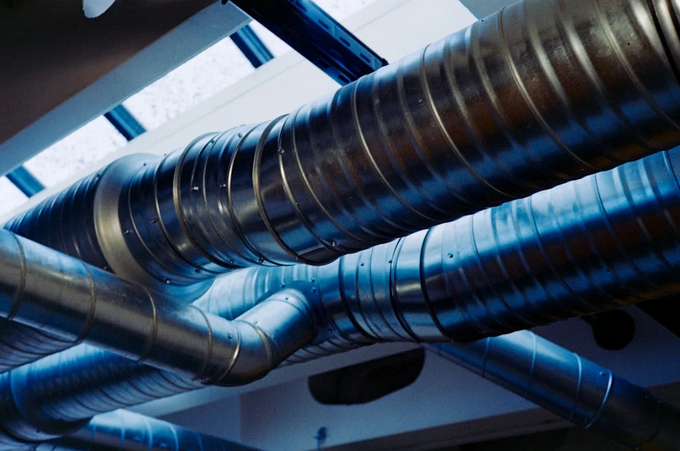
ductwork

The Importance of Clean Ductwork for Better Home CoolingThe Importance of Clean Ductwork for Better Home Cooling

Clean ductwork plays a major role in keeping your home cool, comfortable, and energy efficient, yet many homeowners overlook this essential part of their HVAC system. Dust, debris, and allergens can accumulate over time, causing the system to work harder and reducing overall airflow. Tailored Mechanical HVAC Service emphasizes how routine duct cleaning can improve indoor air quality and help your cooling system perform at its best during hot seasons. Understanding the benefits of clean ducts allows you to maintain a healthier home environment while avoiding unnecessary strain on your equipment. This introduction leads into a closer look at why proper duct maintenance is so important.

How Clean Ducts Improve Airflow and Cooling Performance

clean duct

Clean ductwork allows cool air to travel freely without obstruction. When dust and debris accumulate, airflow becomes restricted, meaning the cooling system must run longer to reach the desired temperature. This additional strain increases energy consumption and accelerates wear on components. A system that fights against blockages often produces uneven cooling, leaving some rooms feeling warmer than others. Keeping ducts clean supports a balanced, consistent temperature throughout the home and helps maintain comfortable conditions without unnecessary effort from the equipment.

Energy Efficiency and Cost Savings

One major advantage of clean ductwork is lower energy bills. When ducts are free from buildup, the cooling unit doesn’t need to run at maximum power to maintain comfort. Shorter cycles use less electricity, and this difference becomes noticeable during long summer months. Improved efficiency also helps postpone the need for expensive repairs or replacements, since the system experiences less pressure from restricted airflow. Cleaner ducts also support the lifespan of major components. Motors, coils, and fans all function better when they’re not straining against dust-choked passages. This smoother operation reduces the likelihood of breakdowns, saving homeowners from unexpected service calls. Investing in clean ducts may feel minor, but it plays a big part in keeping cooling equipment reliable and cost-effective.

Indoor Air Quality Benefits

Indoor Air Quality Benefits

Clean ducts also contribute to healthier indoor air. Dust, pollen, pet dander, and other irritants often settle inside ductwork. When the cooling system turns on, these particles can circulate through the home, triggering allergies or respiratory discomfort. Duct cleaning reduces the amount of airborne debris and creates a fresher environment. Homes with pets, smokers, or recent renovations benefit even more. These situations increase the amount of particles in the air, making ducts a natural collection point. Removing buildup helps the cooling system distribute cleaner air, which improves overall comfort for everyone in the household. Better air quality contributes to better living, especially during months when windows remain closed.

Clean ductwork is essential for maintaining efficient, comfortable, and healthy home cooling. With clear passages, your system delivers consistent airflow, reduces energy usage, and avoids unnecessary strain. Cleaner ducts also improve indoor air quality by limiting the amount of dust and allergens circulating through your home. By giving attention to this often overlooked area, homeowners enjoy smoother cooling performance, lower bills, and a more comfortable environment. A little duct care goes a long way in keeping your cooling system at its best.

fire tragedy

Life After the Flames: Practical Steps to Take After a House FireLife After the Flames: Practical Steps to Take After a House Fire

A fire can turn a home upside down in minutes. Beyond the shock, homeowners are left with tough choices about what comes next. What to do, then? Sell fire damaged property as-is if you want to move forward without dragging out the pain. But what exact steps do homeowners need to take after a house fire? How can they get things under control? Here’s the answer.

Prioritize Safety Before Anything Else

burned house

After a fire, safety is the number one priority. Even if the flames are out, hidden dangers remain, unstable walls, exposed wires, and lingering smoke. Don’t rush back in without clearance from professionals. Once officials confirm the property is safe to enter, take necessary precautions. Protective masks, gloves, and sturdy footwear aren’t optional, but they’re essential. Fire leaves behind toxins and debris that can affect your health long after the blaze. Getting family members out of harm’s way is the most important step. Belongings can be replaced, but your health cannot.

Contact Insurance Immediately

Insurance plays a major role after a fire. Calling your provider quickly gets the claims process started. The sooner they’re involved, the smoother the steps ahead will be. Document everything with photos and notes. The more evidence you gather, the easier it is to back up your claim. Keep records organized, because insurance companies love details. Adjusters will want a full picture of the damage, so having this documentation ready speeds things up. It also prevents disputes later about what was covered.

Gather Essential Documents and Records

documents

Certain paperwork will be requested during the recovery and selling process. Insurance reports, fire department records, and any repair estimates all matter. Think of them as puzzle pieces; buyers and insurers need to see the full image. Even if you plan to sell as-is, having these documents ready builds trust with potential buyers. It shows you’re serious and not trying to hide anything. Serious investors appreciate clarity because it helps them calculate risks faster. Don’t leave this step for later. Missing documents can stall progress and delay decisions when you least need more stress.

Evaluate Repair Costs Versus Selling As-Is

Some homeowners attempt to rebuild. Others realize the cost, time, and energy outweigh the benefits. Repairs after a fire can stretch into months and drain savings quickly. Selling as-is removes that burden. Instead of playing general contractor and juggling deadlines, you hand the challenge over to investors who expect the damage. That option brings relief and speed. It may not deliver the top price, but many families find peace of mind worth more than squeezing every last dollar. Time saved can often feel like money earned.

Focus on Emotional Recovery Too

crying family

The hardest part of a fire isn’t the charred beams, but the memories tied to them. Photos, birthdays, first days of school. It’s normal to feel grief alongside frustration. Give yourself room to process. Seek support from family, friends, or even professionals if the weight feels too heavy.

Emotional recovery runs parallel with the practical steps of insurance and selling. Moving forward doesn’t erase the past. It gives you space to build new chapters without being stuck in the ashes of the old ones. Life after a house fire requires both practical action and emotional strength.

architect

Essential Tips for a Smooth Home Construction ProcessEssential Tips for a Smooth Home Construction Process

Building your dream home is quite exciting. From planning and budgeting to hiring the right professionals and navigating through permits, the home construction process can seem overwhelming. This also includes cleaning your home after the construction. If you are thinking about what you should do with the junk, Marco Island junk removal should be your go-to company. However, with the right tips and guidance, you can ensure a smooth and successful construction experience. Here, we will share essential tips to help you streamline your home construction process and turn your vision into reality.

Plan and Budget Wisely

writingWhen embarking on a home construction project, one of the most crucial steps is planning and budgeting wisely. Start by clearly defining your goals and priorities for the new build. Consider factors like the size of the house, layout preferences, materials quality, and any special features you desire. Creating a detailed budget that outlines all projected costs will help you stay on track financially throughout the construction process.

Make sure to include both expected expenses and potential unforeseen costs to avoid any financial surprises along the way. Consult with certain professionals such as architects or contractors to get accurate estimates for labor, materials, permits, and other necessary expenses.

Hire a Reputable Contractor

Choosing the right contractor for your home construction project is crucial to its success. A reputable contractor will not only have the necessary skills and experience but also a solid track record of delivering quality work. Be sure to do your research and ask for recommendations from friends or family who have had positive experiences with contractors in the past. When interviewing potential contractors, don’t be afraid to ask questions about their qualifications, licensing, insurance, and previous projects. It’s essential to establish clear communication from the start to ensure that everyone is on the same page regarding timelines, budget, and expectations. A reputable contractor will surely provide you with a detailed proposal outlining all aspects of the project, including costs, materials, and timelines.

Obtain Permits

One crucial step in ensuring a smooth home construction process is obtaining the necessary permits. These permits are essential to ensure that your project complies with local building codes and regulations. Before starting any construction work, it’s vital to research and understand the specific permits required for your project. This may include building permits, electrical permits, plumbing permits, or zoning variances. Applying for permits can also be a time-consuming process, so it’s important to start early to avoid delays in your construction timeline. Make sure all documentation is complete and accurate when submitting your permit applications.


Regular Inspections

Regular inspections during the home construction process are crucial to ensure that everything is going according to plan. These inspections help catch any potential issues early on, preventing costly rework later. Having a qualified inspector check the work at various stages can give you peace of mind and confidence in the quality of your future home. Inspections typically cover structural integrity, electrical systems, plumbing, and overall compliance with building codes. It’s very important to address any concerns promptly to maintain progress and prevent delays. By staying proactive with regular inspections, you can identify problems before they escalate into major setbacks.

A smooth home construction process requires careful planning, wise budgeting, and hiring reputable contractors. Obtaining the necessary permits and having regular inspections are also key to ensuring that the construction progresses without any major hiccups. By following these essential tips, you can help make your home-building journey a successful and stress-free experience. Good luck with your project.